One of the most common questions we get from customers is whether genuine or OEM-equivalent parts are really worth the difference in price over a cheaper aftermarket alternative. For German vehicles specifically, our answer is almost always yes — and it comes down to how these cars are engineered as complete systems rather than a collection of individual parts.
Tolerances matter more than they look like they should
German manufacturers design components to extremely tight tolerances, and downstream systems are calibrated around those exact specifications. A brake pad that's a fraction of a millimeter off, or a sensor with a slightly different response curve, can throw off ABS calibration, wear sensors, or adaptive systems in ways that aren't obvious until months later.
Longevity that pays for itself
Genuine and OEM-equivalent parts are typically built to the same material and durability standards as what left the factory. A cheaper aftermarket alternative may cost less upfront but fail sooner — meaning you pay for labor twice, and in some cases the failure causes damage to surrounding components.
Warranty and resale protection
For newer vehicles still under manufacturer warranty, using non-approved parts for certain repairs can create complications with warranty claims. Genuine parts also help preserve documented service history, which matters when it's time to sell.
How we source parts
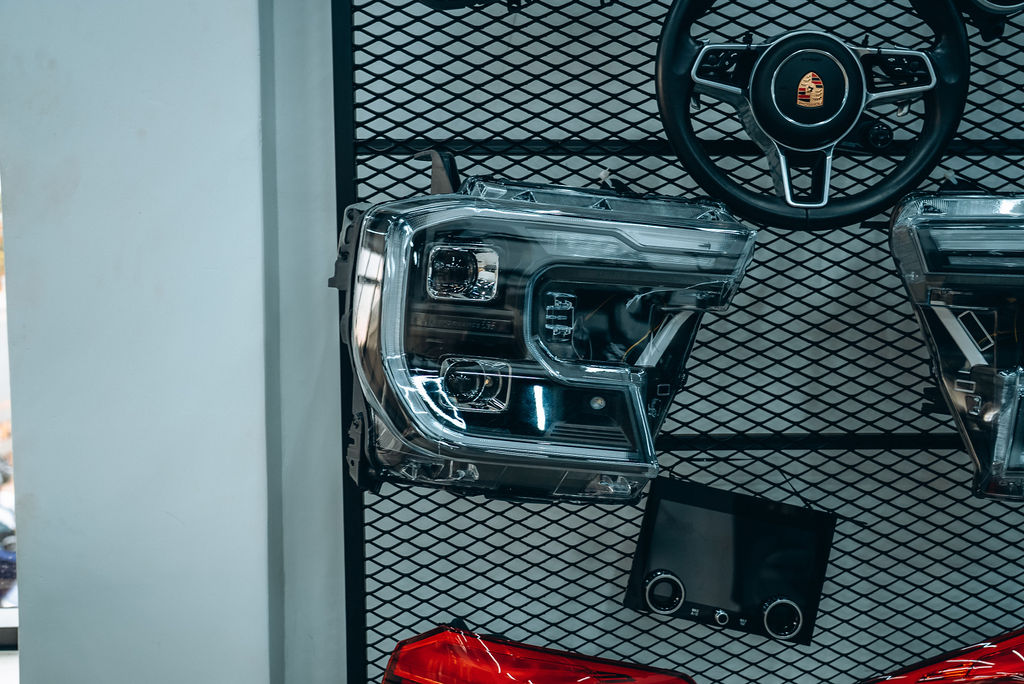
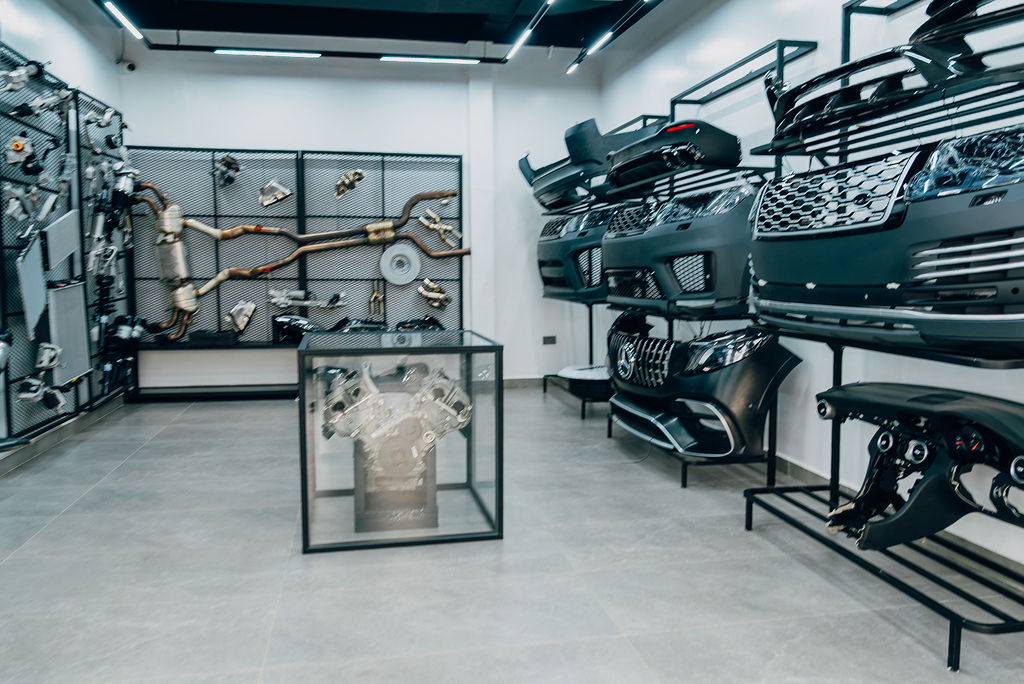
We maintain relationships with trusted suppliers of genuine and OEM-equivalent parts for BMW, Mercedes-Benz, Audi, Volkswagen, and Porsche, and we're transparent with customers about what we're fitting and why. Our parts showroom exists precisely so customers can see the quality of what goes into their vehicle before we install it.
If you've been quoted a repair using aftermarket parts elsewhere, bring it to us for a second opinion — we're glad to explain the tradeoffs specific to your vehicle.