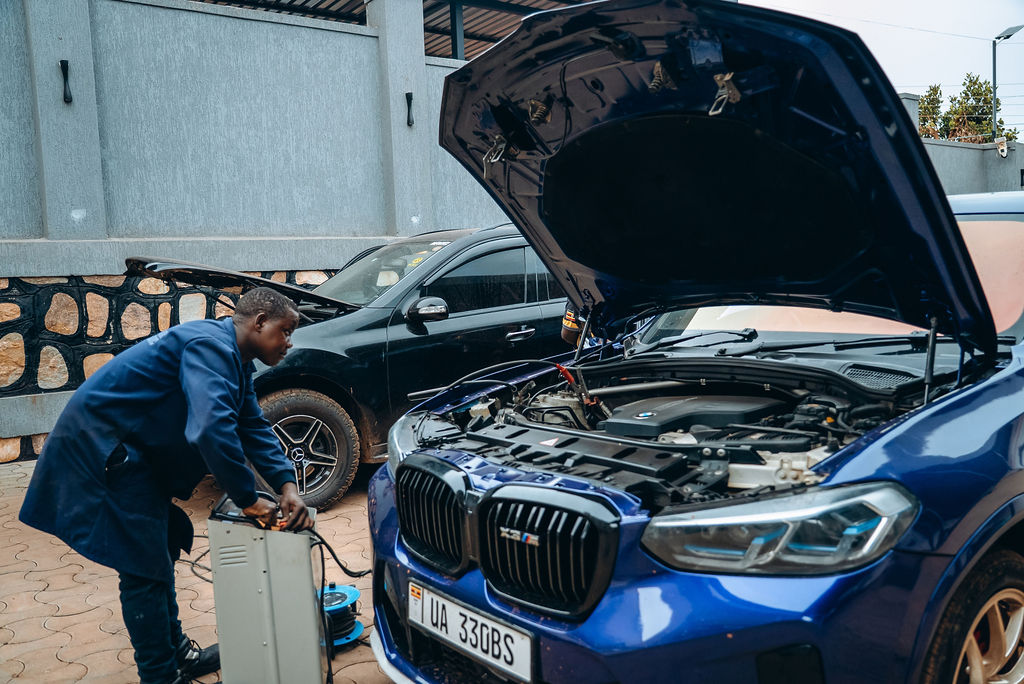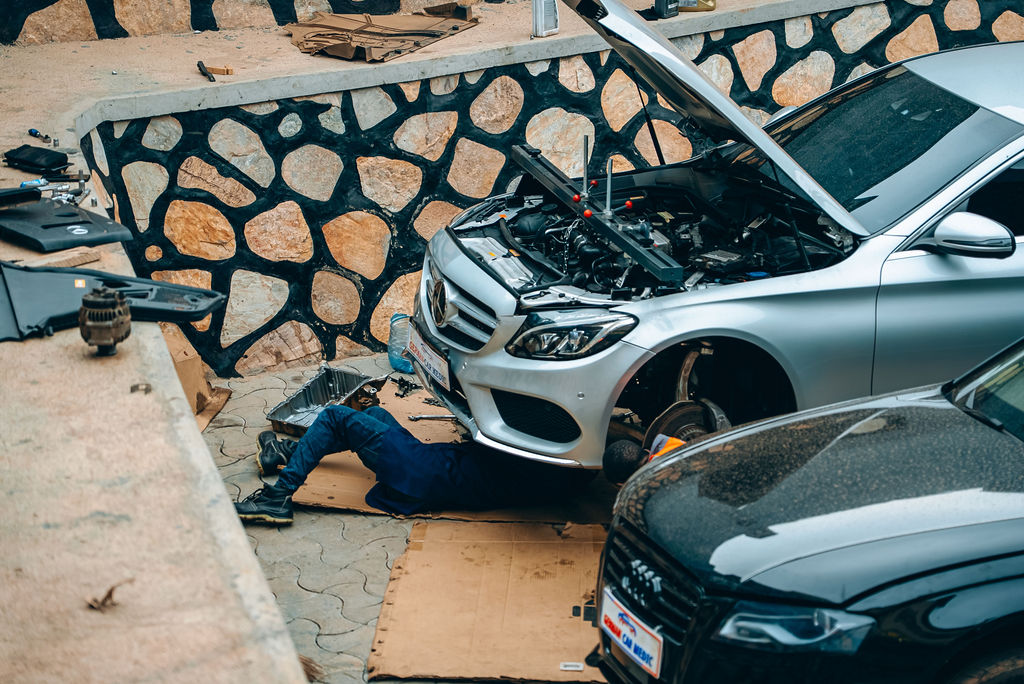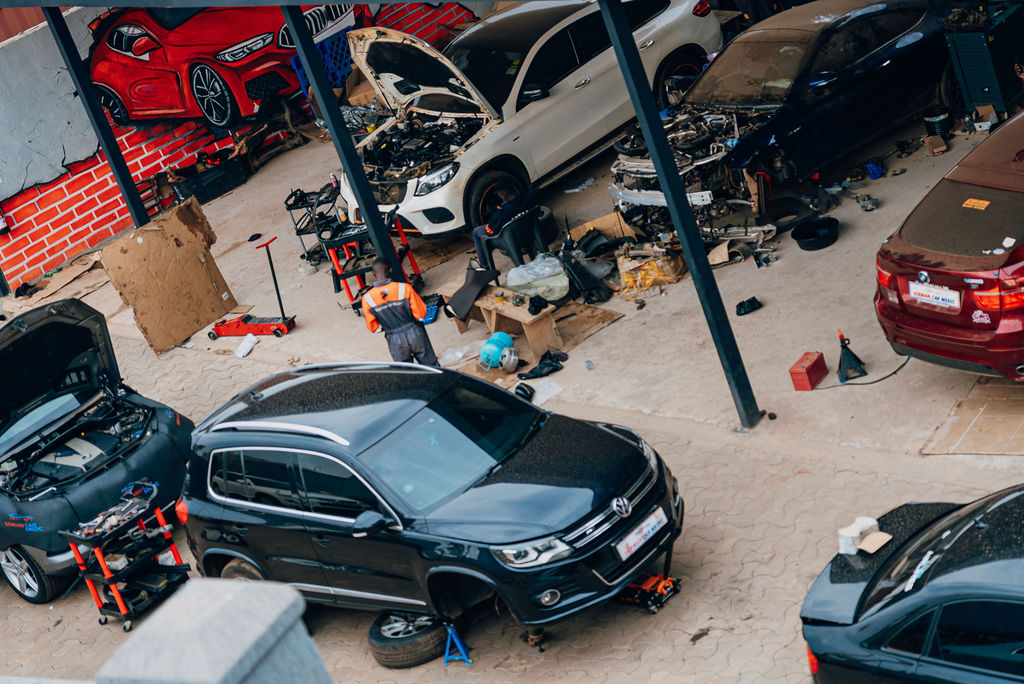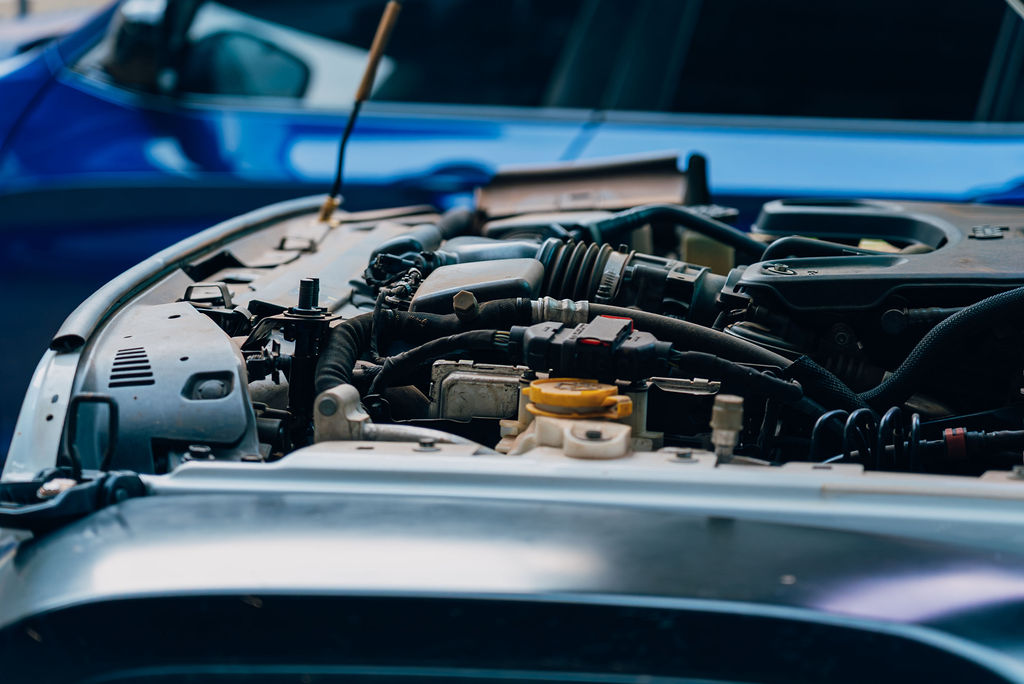
German engineering is built around precision — high-pressure direct injection, tightly calibrated sensors, and emissions systems that assume the fuel going in meets a consistent standard. That makes German cars more sensitive to fuel quality than most, which is worth understanding if you're running one in Uganda.
Fuel adulteration has been a real problem here
Diesel has historically been the most adulterated fuel product on the Ugandan market, according to the Uganda National Bureau of Standards (UNBS), with dishonest blending — mixing in subsidised kerosene or other solvents — once estimated to affect up to 30% of fuel in circulation. The good news is that enforcement has improved substantially: the Fuel Marking and Quality Monitoring Programme, running since 2007 with UNBS and SICPA Uganda, traces a chemical marker through the supply chain from entry point to pump, and recent compliance figures put quality at over 99%.
Why it still matters for your engine
Even at today's much lower adulteration rates, German fuel systems have less tolerance for contamination than older or simpler engines. High-pressure common-rail diesel injectors and direct-injection petrol systems operate at tolerances measured in microns; particulates or the wrong fuel density can accelerate injector wear, trigger sensor faults, or clog a diesel particulate filter well ahead of schedule.
What to watch for
Rough idling that appears suddenly, a noticeable drop in power, harder cold starts, or a diesel model that starts producing more smoke than usual are all worth investigating rather than dismissing as "just the car." These symptoms can point to fuel-related injector or sensor issues, particularly if they follow a fill-up from an unfamiliar station.
Practical steps for owners
Buying fuel from established, reputable stations is the single most effective thing you can do, since it's the fuel that reaches the pump — not just what leaves the depot — that determines what your engine actually receives. Beyond that, routine fuel system inspections as part of scheduled servicing let us catch injector wear or filter contamination before it affects performance.
If your car has been running rough or you're simply not sure what's been going into the tank, we can run a full fuel system check and tell you exactly where things stand.